Lighting Up Curiosity, One Candle at a Time
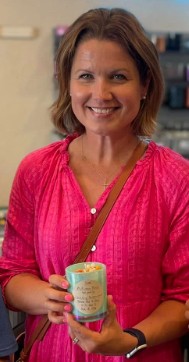
Hi, I’m Mary Leboeuf the hands behind the wax and the heart behind Market Street Candles. What began in the creative swirl of Venice Beach, California, started as a quiet experiment in scent, warmth, and design. In a little studio filled with wax spills and mismatched teacups, I wasn’t just making candles. I was crafting something personal a balance between beauty, purpose, and sustainability.
Market Street Candles grew into a boutique name known for clean burning, elegant candles made from natural soy wax, exclusive fragrances, and globally inspired vessels. From vintage Chinese teacups to Moroccan glasses, every candle told a story, blending artistry and function in a way that felt truly intentional.
But as I connected more with fellow candle lovers, I started noticing something. People had questions honest, thoughtful ones but often held back from asking. Is paraffin wax toxic? What makes a candle burn unevenly? Can I make a candle in a wooden bowl? These weren’t niche concerns. They were common curiosities, often left unanswered.
That’s when I knew Market Street Candles needed to evolve. Now, we’re here not to sell, but to inform. From making your own candles to understanding the science behind burn times, this site is built to explore everything you ever wondered and everything you were too shy to say aloud. We talk about ingredients, burning habits, safety tips, and yes, even whether wax warmers are actually better.
We’ve built this space for candle lovers, curious minds, DIY makers, and everyone in between. We’re not here to gatekeep the glow. We’re here to share it.
So whether you’re crafting your first candle or just figuring out why yours won’t burn evenly, you’re in the right place. Let’s shed some light together.
Let’s shed some light together.
Mary Leboeuf
Mary Leboeuf didn’t grow up thinking she’d spend her life surrounded by wax, wicks, and the scent of bergamot. Her creative path began in the quiet corners of visual merchandising studios, where she learned how to shape mood without saying a word. Design, she discovered, was less about objects and more about how those objects made you feel. That revelation led her to the one item that quietly changed a room faster than any rug or wall color: a candle.
What started as a side obsession with scent, texture, and flame soon became something more serious. Mary began making candles in small batches, not for shelves, but for stories. Each vessel carried an influence a teacup from a flea market in Seoul, a silver julep cup from her grandmother’s cabinet and the scents followed suit.
She never set out to be an educator. But over time, the questions came: “Why does my candle tunnel?” “Is this wax safe?” She didn’t ignore them. She answered. And then, she kept going not because she had to, but because no one else was doing it with the same care